Wollmatten: A Complete Guide to Natural Wool Mats
Wollmatten have gained attention among homeowners, gardeners, eco conscious consumers, and interior design enthusiasts because they combine natural materials with practical functionality. Whether used indoors as floor coverings, in landscaping projects, or for insulation purposes, wollmatten offer a sustainable alternative to many synthetic products available today.
As people increasingly seek environmentally responsible solutions, wollmatten stand out for their durability, natural composition, and versatility. Unlike plastic based alternatives, wool mats can provide insulation, moisture regulation, comfort, and long term performance while reducing environmental impact. Understanding how these products work, where they are used, and what benefits they provide can help buyers make informed decisions.
This comprehensive guide explores everything you need to know about wollmatten, including their definition, advantages, challenges, applications, maintenance requirements, and practical buying considerations.
What Are Wollmatten?
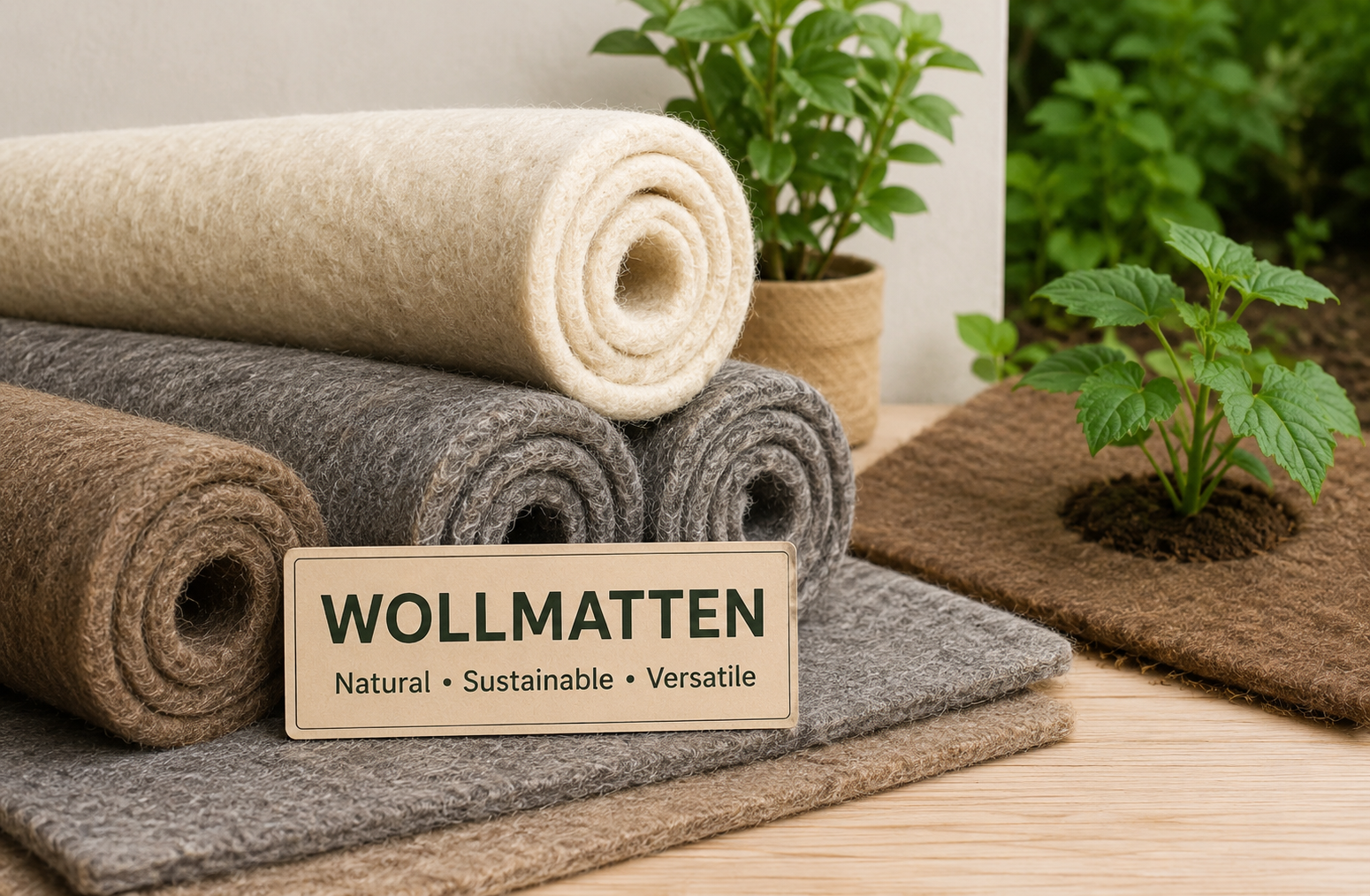
Wollmatten are mats made primarily from natural wool fibers. The term originates from German, where “wolle” means wool and “matten” means mats. These products are manufactured using compressed, woven, felted, or processed wool fibers that create a dense and functional surface.
Depending on their intended use, wool mats can vary significantly in thickness, density, and construction. Some are designed for interior flooring and decorative purposes, while others serve agricultural, horticultural, landscaping, or insulation functions.
The unique structure of wool fibers gives these mats several properties that synthetic materials often struggle to replicate naturally.
Common characteristics include:
- Natural insulation
- Moisture regulation
- Breathability
- Durability
- Biodegradability
- Comfort underfoot
- Sound absorption
These qualities make wool mats suitable for a wide variety of residential and commercial environments.
The History of Wool Based Mats
Wool has been used by humans for thousands of years. Ancient civilizations relied on wool for clothing, blankets, rugs, and protective coverings because of its exceptional insulating properties.
Traditional wool rugs and felt mats have existed across cultures in Europe, Asia, and the Middle East for centuries. Modern manufacturing techniques have expanded these traditional concepts into specialized wool mat products that serve both decorative and practical purposes.
Today, advancements in processing technology allow manufacturers to create highly durable wool mats tailored for specific applications while maintaining the natural advantages of the material.
Why Wollmatten Are Becoming More Popular
The growing popularity of wollmatten can be linked to several modern consumer trends.
Sustainability Awareness
Many consumers want products that minimize environmental impact. Wool is a renewable resource that naturally decomposes at the end of its life cycle.
Demand for Natural Materials
Synthetic materials dominate many markets, but buyers increasingly appreciate products made from natural fibers. Wool offers a sense of authenticity and environmental responsibility.
Indoor Comfort
Wool mats contribute to warmer, quieter, and more comfortable indoor spaces.
Long Term Value
Although natural wool products may require a higher initial investment, their durability often provides strong long term value.
The Key Benefits of Wollmatten
Excellent Thermal Insulation
One of wool’s most recognized characteristics is its ability to retain heat.
The natural crimp in wool fibers creates tiny air pockets that trap warm air. This insulation effect helps maintain comfortable indoor temperatures while reducing heat loss.
Benefits include:
- Warmer floors during cold seasons
- Improved energy efficiency
- Enhanced indoor comfort
- Reduced heating requirements in some environments
Natural Moisture Management
Wool fibers can absorb moisture without feeling wet.
This capability allows wool mats to regulate humidity levels more effectively than many synthetic materials.
Advantages include:
- Better indoor air comfort
- Reduced surface dampness
- Enhanced user comfort
- Natural moisture balancing
Superior Comfort
Walking or standing on wool mats often feels more comfortable than standing on harder surfaces.
The fibers provide natural cushioning and resilience that improve user comfort in homes and workplaces.
Noise Reduction
Many people overlook the acoustic benefits of wool.
The dense fiber structure helps absorb sound, making rooms quieter and more pleasant.
This can be especially valuable in:
- Apartments
- Offices
- Meeting rooms
- Bedrooms
- Libraries
Durability
High quality wool fibers possess remarkable resilience.
When properly maintained, wool mats can maintain their appearance and functionality for many years.
Environmentally Friendly
Environmental benefits include:
- Renewable raw material
- Biodegradable composition
- Lower environmental impact compared with many synthetic alternatives
- Reduced plastic waste
Wollmatten in Interior Design
Living Rooms
Wool mats create warmth and comfort while enhancing the visual appeal of living spaces.
Many homeowners choose wool based flooring accessories because they complement both modern and traditional interiors.
Bedrooms
Bedrooms benefit from the softness and thermal properties of wool.
A wool mat near the bed can create a more comfortable morning experience while contributing to a cozy atmosphere.
Home Offices
As remote work becomes increasingly common, comfort has become a priority.
Wool mats can improve acoustics and provide a more comfortable working environment.
Children’s Rooms
Natural materials are often preferred by parents seeking comfortable and environmentally responsible furnishing options.
Wollmatten for Gardening and Landscaping
Another important application of wool mats involves gardening and landscaping.
Weed Suppression
Wool mats can be used around plants to reduce weed growth.
By covering the soil surface, they limit sunlight exposure and help prevent unwanted vegetation from developing.
Moisture Retention
Gardeners often appreciate wool’s ability to retain moisture.
The material helps reduce evaporation while supporting consistent soil hydration.
Soil Protection
Heavy rainfall can cause soil erosion.
Wool mats provide a protective layer that helps stabilize soil and protect plant roots.
Gradual Nutrient Contribution
As natural wool slowly decomposes, it can contribute small amounts of nutrients to the surrounding soil.
This characteristic makes wool based garden mats attractive for sustainable gardening practices.
Agricultural Applications
Farmers and agricultural professionals use wool based products in several ways.
Crop Protection
Wool mats can help protect young plants from temperature fluctuations and environmental stress.
Moisture Regulation
Agricultural applications often benefit from wool’s moisture handling capabilities.
Sustainable Farming
Natural materials align well with sustainable and regenerative farming approaches.
Wollmatten as Insulation Materials
Wool is increasingly recognized as a natural insulation solution.
Thermal Performance
Wool insulation mats help regulate indoor temperatures by reducing heat transfer.
Humidity Control
Unlike some synthetic insulation materials, wool can absorb and release moisture while maintaining performance.
Indoor Air Quality
Many users prefer natural insulation materials because they avoid some concerns associated with synthetic alternatives.
Energy Efficiency
Effective insulation can contribute to reduced energy consumption and lower heating and cooling costs.
Potential Challenges of Wollmatten
No product is perfect, and wool mats also have limitations.
Higher Initial Cost
Natural wool products are often more expensive than synthetic alternatives.
The cost reflects:
- Raw material quality
- Processing requirements
- Sustainable production practices
Maintenance Requirements
Proper care is necessary to maximize lifespan.
Regular cleaning and appropriate moisture management help preserve performance.
Sensitivity to Certain Conditions
Extended exposure to excessive moisture or improper storage conditions may affect wool products.
Product Quality Variations
Not all wool mats are manufactured to the same standards.
Buyers should carefully evaluate product specifications before purchasing.
How to Choose the Right Wollmatten
Selecting the ideal wool mat depends on intended use.
Consider the Application
Ask yourself:
- Is it for indoor flooring?
- Garden use?
- Insulation?
- Decorative purposes?
Each application may require different specifications.
Evaluate Material Composition
Some products contain:
- 100% wool
- Wool blends
- Recycled wool fibers
Understanding composition helps determine expected performance.
Check Thickness
Thicker mats generally provide:
- Better insulation
- More cushioning
- Enhanced comfort
However, thinner mats may be suitable for specific applications.
Assess Durability
Review product information related to:
- Density
- Fiber quality
- Construction methods
Higher quality construction often translates into longer service life.
Consider Maintenance Needs
Different wool products may require different cleaning methods.
Choose an option that matches your maintenance preferences.
Caring for Wollmatten
Proper maintenance significantly extends product lifespan.
Regular Vacuuming
For indoor wool mats:
- Vacuum regularly
- Remove dust accumulation
- Prevent fiber wear
Address Spills Quickly
Prompt spill management helps reduce staining risks.
Avoid Excessive Moisture
Although wool handles moisture well, prolonged exposure to excessive water should be avoided.
Rotate Mats Periodically
Rotating floor mats helps ensure even wear.
Follow Manufacturer Instructions
Always consult product specific care recommendations.
Comparing Wool Mats With Synthetic Alternatives
Environmental Impact
Wool generally offers stronger sustainability credentials due to its renewable and biodegradable nature.
Comfort
Many users prefer the natural softness and warmth of wool.
Longevity
High quality wool mats can remain functional for many years when properly maintained.
Cost
Synthetic options often cost less initially.
However, long term value may favor premium natural products depending on usage conditions.
Real World Experience With Wool Mats
In practical use, many homeowners report that wool mats provide a noticeably warmer and more comfortable surface compared with synthetic alternatives.
Interior designers frequently recommend natural wool products for spaces where comfort and aesthetics are equally important.
Gardeners often appreciate how wool based mats help retain moisture during dry periods while reducing weed pressure around plants.
One commonly observed advantage is versatility. The same natural material can serve entirely different purposes, ranging from decorative home applications to agricultural use.
This adaptability contributes significantly to the growing interest in wool based solutions.
Common Myths About Wollmatten
Myth 1: Wool Mats Wear Out Quickly
Quality wool products can last many years when properly maintained.
Myth 2: Wool Is Difficult to Maintain
Routine care is generally straightforward and manageable.
Myth 3: Wool Mats Are Only Decorative
Modern wool mats serve decorative, practical, agricultural, and insulation functions.
Myth 4: Synthetic Materials Always Perform Better
Performance depends heavily on intended use. In several areas such as insulation, comfort, and sustainability, wool performs exceptionally well.
Future Trends in Wool Mat Production
The future of wool based products appears promising.
Emerging trends include:
- Greater use of recycled wool fibers
- Sustainable manufacturing methods
- Improved durability technologies
- Expanded agricultural applications
- Increased consumer awareness of natural materials
As sustainability continues to influence purchasing decisions, natural fiber products may gain even greater market share.
Environmental Impact of Wool Mats
Environmental considerations increasingly influence buying decisions.
Wool offers several sustainability advantages.
Renewable Resource
Sheep produce new wool annually, making it a renewable material source.
Biodegradability
At the end of its useful life, wool naturally decomposes under appropriate conditions.
Reduced Plastic Dependence
Choosing natural fibers can help reduce reliance on petroleum based synthetic materials.
Circular Economy Potential
Many manufacturers are exploring recycling and reuse opportunities for wool products.
These characteristics support environmentally conscious consumption.
Are Wollmatten Worth Buying?
For many users, the answer is yes.
People seeking:
- Natural materials
- Long term durability
- Improved comfort
- Sustainable solutions
- Better insulation
- Moisture management
often find wool mats to be a worthwhile investment.
The decision ultimately depends on individual priorities, budget, and intended application.
When quality and sustainability matter, wool products frequently provide advantages that extend beyond their initial purchase price.
Frequently Asked Questions
What are wollmatten made from?
Wollmatten are primarily made from natural wool fibers that may be felted, woven, compressed, or processed into durable mat structures.
Are wollmatten environmentally friendly?
Yes. Wool is a renewable and biodegradable material that generally has a lower environmental impact than many synthetic alternatives.
Can wool mats be used outdoors?
Certain wool mats are designed for gardening, landscaping, and agricultural applications. Product specifications should always be checked before outdoor use.
How long do wool mats last?
Lifespan varies depending on quality, usage conditions, and maintenance practices. High quality wool mats can remain functional for many years.
Do wool mats require special cleaning?
Most indoor wool mats benefit from regular vacuuming and prompt spill removal. Specific care instructions vary by manufacturer.
Are wool mats suitable for people seeking sustainable products?
Yes. Their renewable origin, durability, and biodegradability make them appealing for environmentally conscious consumers.
Conclusion
Wollmatten represent a practical combination of sustainability, comfort, durability, and versatility. Their unique natural properties make them valuable across a wide range of applications, from interior design and home comfort to gardening, landscaping, agriculture, and insulation. As consumers continue to prioritize environmentally responsible choices, wool based products are becoming increasingly relevant.
Understanding the benefits, limitations, maintenance requirements, and real world applications of these natural fiber mats allows buyers to make informed decisions that align with their needs. Whether the goal is improving indoor comfort, supporting sustainable gardening, or investing in eco friendly materials, wool mats offer a compelling solution backed by centuries of practical use and modern innovation.