How Did Jackie Robinson Death Impact His Legacy?
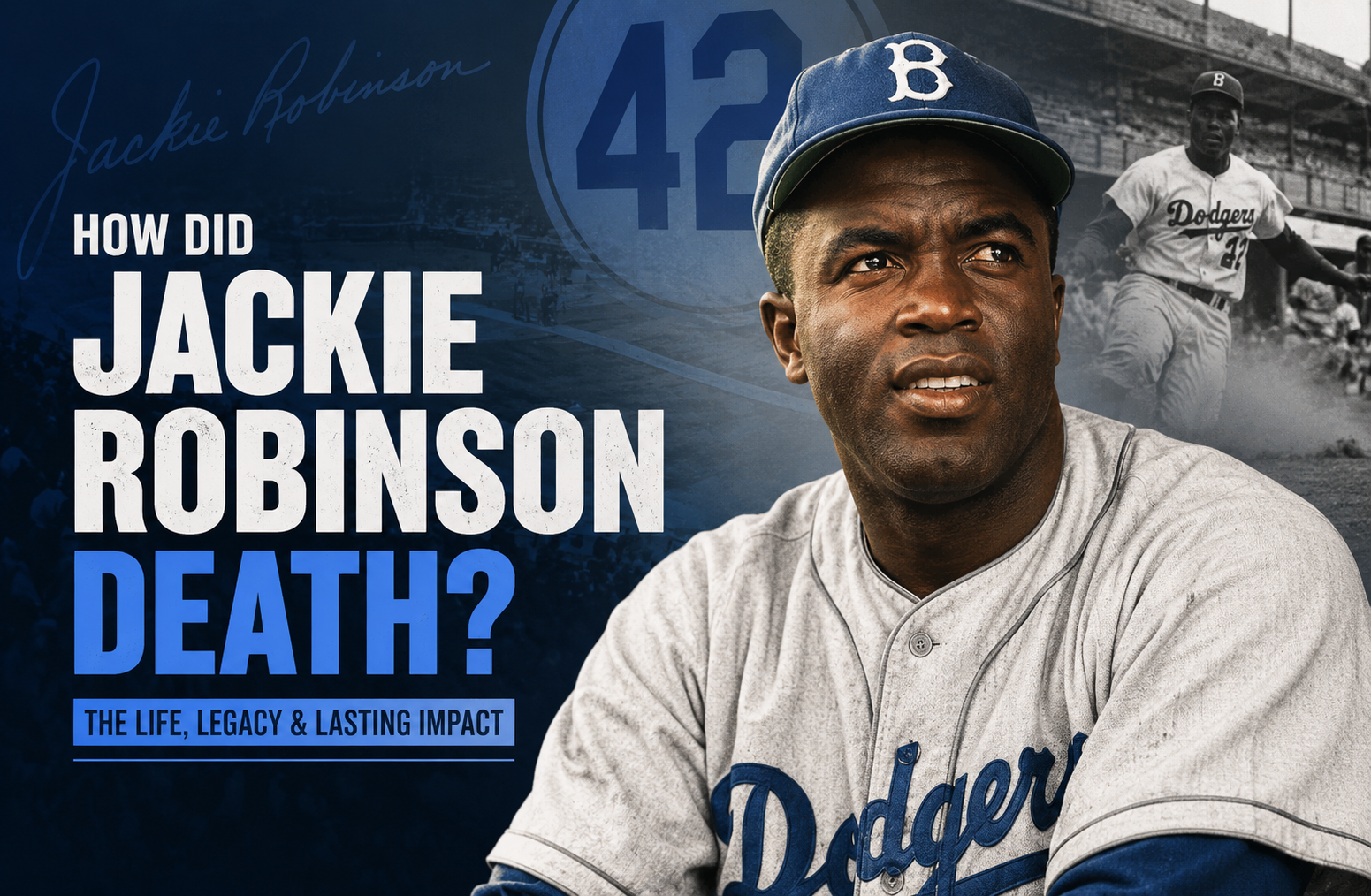
The question how did jackie robinson death remains one of the most searched topics related to the legendary baseball pioneer. People are not only interested in the circumstances surrounding his passing but also in understanding the lasting impact he left on sports, civil rights, and American history. Jackie Robinson was far more than a baseball player. He was a transformative figure whose courage changed professional sports forever and helped advance racial equality in the United States.
When discussing how did jackie robinson death become a significant historical topic, it is important to look beyond the date and cause of death. His passing marked the end of an extraordinary life filled with achievements, challenges, activism, and influence that continues to inspire generations.
Who Was Jackie Robinson?
Before exploring the details surrounding his death, it is essential to understand why Jackie Robinson remains one of the most important figures in American history.
Jackie Robinson was born on January 31, 1919, in Cairo, Georgia. He became the first African American player in Major League Baseball’s modern era when he joined the Brooklyn Dodgers in 1947.
His debut shattered baseball’s longstanding color barrier and became a defining moment in American sports. Robinson faced intense discrimination, hostility from fans, players, and even some teammates. Despite these obstacles, he excelled on the field while maintaining remarkable composure and dignity.
His accomplishments included:
- Rookie of the Year in 1947
- National League MVP in 1949
- Six-time All-Star
- World Series Champion
- Hall of Fame inductee
More importantly, his success helped pave the way for greater racial integration across American sports and society.
How Did Jackie Robinson Die?
For those searching how did jackie robinson death, the direct answer is that Jackie Robinson died on October 24, 1972, at the age of 53.
The official cause of death was a heart attack. However, his health had been deteriorating for years before his passing. Robinson suffered from several serious medical conditions, including diabetes and heart disease.
By the early 1970s, his health challenges had become severe. Diabetes had affected multiple aspects of his life, including his eyesight. He had also undergone significant physical decline despite maintaining an active role in business and civil rights advocacy.
His death occurred at his home in Stamford, Connecticut.
The Health Challenges He Faced
Understanding Robinson’s medical struggles helps explain the circumstances leading to his death.
Diabetes
One of the most serious conditions Robinson battled was diabetes.
At a time when treatments were less advanced than they are today, managing the disease presented major challenges. Over the years, diabetes caused complications that affected his quality of life.
Some documented effects included:
- Vision problems
- Physical weakness
- Increased cardiovascular risk
- Long-term health complications
By the end of his life, Robinson had largely lost sight in one eye and faced worsening overall health.
Heart Disease
Heart disease was another major factor in his declining condition.
Medical experts recognize that diabetes significantly increases the risk of cardiovascular problems. Robinson’s long battle with diabetes likely contributed to the heart attack that ultimately claimed his life.
Emotional and Physical Stress
Many historians have noted that Robinson endured extraordinary pressure throughout his career and post-baseball life.
While it is impossible to measure the exact impact of stress on his health, Robinson spent decades confronting:
- Racial discrimination
- Public scrutiny
- Activism-related pressures
- Business responsibilities
- Community leadership obligations
The cumulative effects of these demands may have contributed to his overall health challenges.
The Final Years of Jackie Robinson
The years leading up to Robinson’s death were marked by continued activism and public engagement.
Even after retiring from baseball in 1956, he remained deeply involved in social causes. He frequently spoke about civil rights, economic opportunity, and racial equality.
Unlike many retired athletes who step away from public life, Robinson continued using his platform to advocate for meaningful change.
During the late 1960s and early 1970s, he focused on:
- Civil rights initiatives
- Community development projects
- Business leadership
- Public speaking engagements
- Support for minority advancement
Despite worsening health, he remained committed to these causes.
His Last Public Appearance
One of the most memorable moments before Robinson’s death occurred during the 1972 World Series.
Major League Baseball invited Robinson to throw the ceremonial first pitch as part of a celebration marking the 25th anniversary of breaking baseball’s color barrier.
During the event, Robinson expressed hope that one day there would be African American managers in Major League Baseball.
His comments reflected the same determination that had defined his entire life. Even while facing health struggles, he remained focused on progress and equality.
Remarkably, Robinson died only days after this appearance.
Public Reaction to His Death
The announcement of Robinson’s passing generated widespread national attention.
News organizations, athletes, political leaders, and civil rights advocates paid tribute to his extraordinary contributions.
Many reactions focused on two major themes:
Baseball Pioneer
Sports figures remembered Robinson as the athlete who transformed professional baseball forever.
Without his courage and perseverance, the integration of Major League Baseball might have occurred much more slowly.
Civil Rights Leader
Others emphasized his role beyond sports.
Robinson was viewed as a symbol of dignity, determination, and social progress. His influence extended far beyond the baseball field.
Many civil rights leaders described his life as an example of how one individual can help reshape society.
Why His Death Still Matters Today
When people search for how did jackie robinson death, they are often interested in more than historical facts.
His passing remains significant because of what he represented.
A Symbol of Courage
Robinson demonstrated extraordinary bravery throughout his life.
He entered a hostile environment, endured racism, and succeeded under immense pressure.
His story continues to inspire people facing adversity in many different fields.
A Reminder of Progress
His life serves as a reminder of how far society has progressed and how much work remains.
The barriers Robinson challenged were deeply rooted in American culture. His success helped open opportunities for countless athletes and professionals from diverse backgrounds.
An Educational Legacy
Schools, museums, sports organizations, and historians continue teaching Robinson’s story because it offers valuable lessons about:
- Leadership
- Perseverance
- Equality
- Character
- Social responsibility
Jackie Robinson’s Legacy in Baseball
The impact Robinson had on baseball remains impossible to overstate.
Retirement of Number 42
One of the greatest honors in sports history occurred in 1997 when Major League Baseball retired Robinson’s number 42 across every team.
No player can wear the number except for a small number of grandfathered exceptions that existed at the time.
This recognition highlights his unique contribution to the sport.
Jackie Robinson Day
Each year, Major League Baseball celebrates Jackie Robinson Day.
Players, coaches, managers, and umpires wear number 42 to honor his achievements and legacy.
The annual event ensures that new generations continue learning about his contributions.
Hall of Fame Recognition
Robinson’s induction into the Baseball Hall of Fame cemented his place among the sport’s greatest players.
Yet many historians argue that his social impact exceeds even his athletic accomplishments.
Jackie Robinson’s Influence Beyond Sports
Robinson’s importance extends far beyond baseball statistics.
Civil Rights Contributions
He worked alongside prominent civil rights advocates and consistently used his public profile to challenge discrimination.
His efforts helped bring national attention to issues affecting African Americans during a critical period in U.S. history.
Economic Opportunity Advocacy
Robinson believed economic empowerment was essential for lasting equality.
Throughout his post-baseball career, he supported initiatives that promoted business ownership, employment opportunities, and financial advancement for minority communities.
Inspiration for Future Generations
Countless athletes, entrepreneurs, activists, and leaders have cited Robinson as an inspiration.
His story demonstrates how determination and integrity can create meaningful change.
Common Misconceptions About His Death
Several misconceptions occasionally appear when discussing Robinson’s passing.
He Did Not Die While Playing Baseball
Robinson retired from professional baseball in 1956.
His death occurred sixteen years later in 1972.
His Death Was Not Sudden Without Warning
Although the heart attack itself was sudden, Robinson had experienced serious health problems for years before his passing.
His Legacy Did Not End With His Death
In many ways, Robinson’s influence expanded after his death as historians, educators, and sports organizations continued sharing his story.
Historical Lessons From Robinson’s Life
Examining Robinson’s life and death offers several important lessons.
Leadership Requires Sacrifice
Robinson accepted enormous personal challenges to create opportunities for others.
Progress Often Faces Resistance
His experience demonstrates that meaningful change frequently encounters opposition before acceptance.
Character Matters
Robinson’s ability to maintain dignity under pressure remains one of the most admired aspects of his legacy.
Lasting Impact Extends Beyond Career Success
Many athletes achieve fame, but few influence society on the scale Robinson did.
His contributions continue to shape conversations about equality, opportunity, and leadership.
What Historians Say About His Legacy
Many historians view Robinson as one of the most influential figures of the twentieth century.
His achievements are often analyzed through multiple lenses:
- Sports history
- Civil rights history
- American social history
- Leadership studies
- Cultural transformation
According to the official resources maintained by the National Archives, Robinson’s role in advancing integration remains one of the defining stories of modern American history.
This broad recognition illustrates why public interest in his life and death remains strong decades later.
The Enduring Importance of Remembering Jackie Robinson
Understanding how did jackie robinson death is important, but understanding his life is even more meaningful.
His passing in 1972 marked the end of a remarkable journey, yet his influence continues through educational programs, baseball traditions, civil rights discussions, and historical scholarship.
Robinson’s story reminds us that true greatness is measured not only by personal achievement but also by the positive change one creates for others.
Frequently Asked Questions
How did Jackie Robinson die?
Jackie Robinson died from a heart attack on October 24, 1972, at the age of 53.
Where did Jackie Robinson die?
He died at his home in Stamford, Connecticut.
What health problems did Jackie Robinson have?
He suffered from diabetes, heart disease, vision problems, and related health complications.
How old was Jackie Robinson when he died?
He was 53 years old.
Did diabetes contribute to Jackie Robinson’s death?
Medical historians generally recognize that his long-term diabetes likely contributed to the cardiovascular issues that preceded his fatal heart attack.
Why is Jackie Robinson still important today?
He broke Major League Baseball’s color barrier, advanced civil rights, and remains a symbol of courage, equality, and perseverance.
Conclusion
The answer to how did jackie robinson death is that he passed away from a heart attack on October 24, 1972, after years of battling diabetes and related health complications. However, focusing solely on the cause of death overlooks the larger story. Robinson transformed American sports, challenged racial barriers, and inspired generations through his determination and leadership. More than five decades after his passing, his legacy continues to influence baseball, civil rights discussions, and broader conversations about equality and opportunity. His life remains one of the most powerful examples of how one person can create lasting change.