JR Geo: Understanding Its Meaning, Uses, and Future
In today’s data driven world, jr geo has become a topic of growing interest among technology enthusiasts, businesses, researchers, and digital transformation experts. Whether people encounter the term while exploring geographic intelligence, location based analytics, or modern mapping technologies, many want a clear explanation of what it means and why it matters.
The growing attention around jr geo reflects a broader shift toward smarter decision making powered by geographic information. Organizations increasingly rely on location data to improve operations, optimize resources, understand customer behavior, and solve complex real world challenges. As a result, understanding this concept is becoming valuable for both professionals and curious learners.
What Is JR Geo?
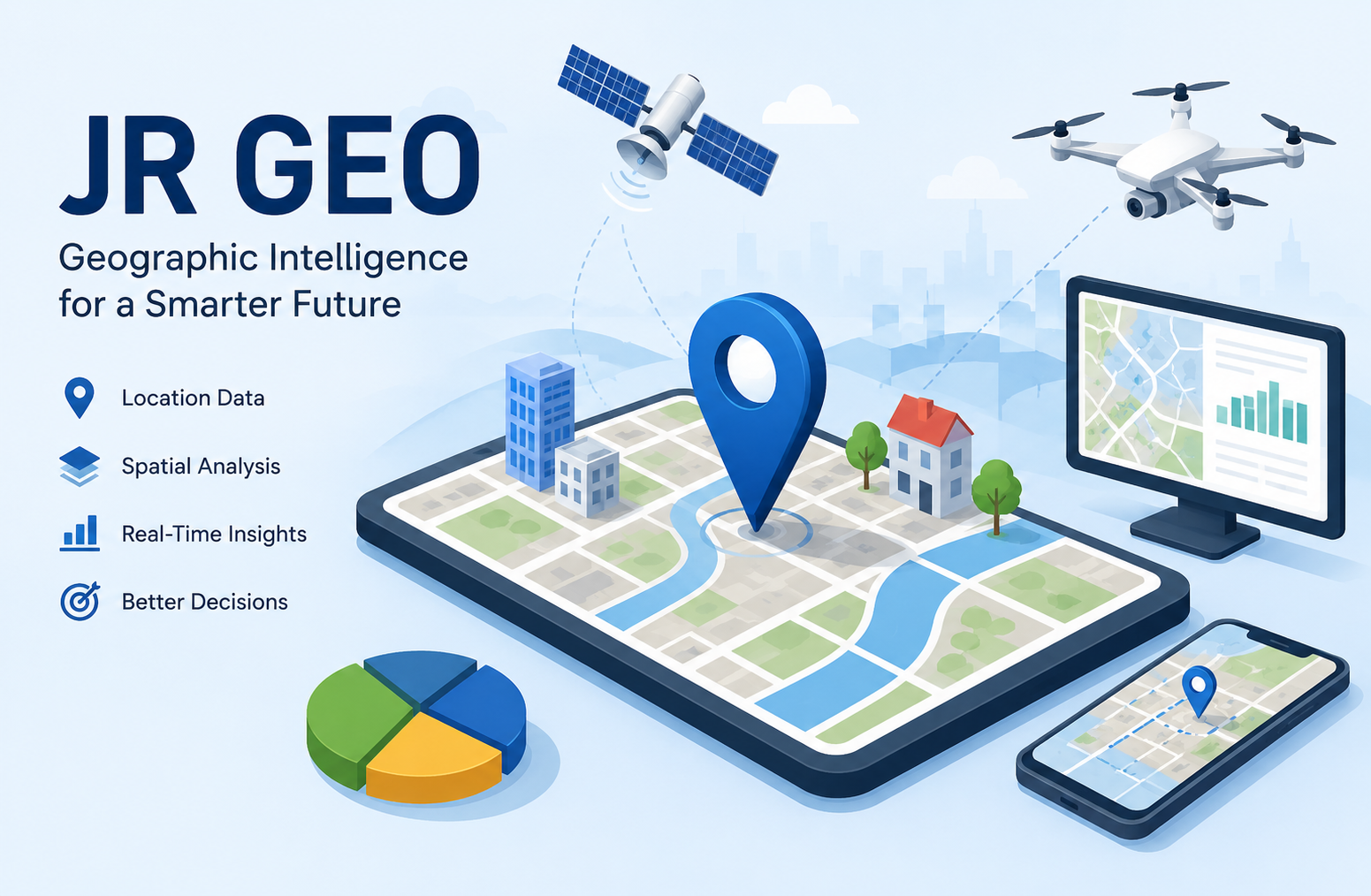
JR Geo is commonly associated with geographic intelligence, geospatial analysis, and location based data systems that help transform raw geographic information into actionable insights. Rather than focusing only on maps and coordinates, it emphasizes understanding patterns, relationships, and trends connected to specific locations.
At its core, the concept combines several technologies and methodologies, including:
- Geographic Information Systems (GIS)
- Spatial analytics
- Real time data collection
- Satellite imagery
- GPS technology
- Data visualization
- Predictive analytics
The goal is simple: help users make smarter decisions by understanding how location influences outcomes.
Many modern industries already depend heavily on geographic information. Navigation apps, delivery services, urban planning projects, environmental monitoring systems, and logistics networks all use location intelligence to improve performance and efficiency. jr geo represents this growing movement toward more intelligent use of geographic data.
Why Geographic Intelligence Matters More Than Ever
Location data has become one of the most valuable assets in the digital economy.
Every day, billions of devices generate geographic information through smartphones, connected vehicles, sensors, and online services. However, raw location data alone has limited value unless it can be analyzed and interpreted effectively.
Geographic intelligence helps organizations answer important questions such as:
- Where are customers most active?
- Which delivery routes are most efficient?
- How can cities improve transportation systems?
- Which areas are most vulnerable to environmental risks?
- Where should new facilities be located?
By turning location data into meaningful insights, organizations can reduce costs, improve services, and make evidence based decisions.
The Core Components Behind JR Geo
To understand how geographic intelligence works, it helps to break the concept into several key components.
Geographic Data Collection
Everything begins with data.
Information may come from:
- GPS devices
- Mobile applications
- Satellites
- Drones
- Weather stations
- IoT sensors
- Government databases
The quality of collected data directly impacts the quality of resulting insights.
Spatial Analysis
Spatial analysis examines relationships between locations.
Instead of simply identifying where something exists, analysts explore patterns such as:
- Movement trends
- Population density
- Traffic behavior
- Resource distribution
- Environmental changes
This analysis helps uncover insights that may not be visible through traditional data analysis methods.
Data Visualization
Maps remain one of the most powerful ways to communicate complex information.
Modern visualization tools allow users to:
- Create interactive maps
- Overlay multiple data layers
- Track changes over time
- Highlight geographic patterns
Visual representations often make decision making faster and more accurate.
Real Time Intelligence
Modern systems increasingly rely on live information.
Real time geographic intelligence enables organizations to:
- Monitor vehicle fleets
- Track weather conditions
- Manage emergency responses
- Detect operational disruptions
This capability allows decision makers to react immediately rather than relying on outdated information.
How JR Geo Works in Practice
A practical way to understand the concept is to follow the typical workflow.
Step 1: Data Gathering
Information is collected from various geographic sources.
Examples include:
- Vehicle tracking systems
- Satellite imagery
- Customer location data
- Environmental sensors
Step 2: Data Processing
Raw information is cleaned, organized, and standardized.
Without this step, inconsistent data could lead to inaccurate conclusions.
Step 3: Analysis
Advanced algorithms identify patterns, relationships, and anomalies within geographic datasets.
Step 4: Visualization
Insights are displayed through maps, dashboards, charts, and reports.
Step 5: Decision Making
Organizations use the resulting intelligence to improve planning, operations, and strategy.
This process transforms large amounts of geographic information into practical business value.
Major Benefits of JR Geo
Organizations invest in geographic intelligence because it delivers measurable advantages.
Better Decision Making
Location based insights often reveal opportunities and risks that traditional reports overlook.
Decision makers gain a more complete understanding of real world conditions.
Improved Operational Efficiency
Businesses can optimize:
- Transportation routes
- Resource allocation
- Workforce deployment
- Supply chain operations
Even small improvements can generate significant cost savings.
Enhanced Customer Understanding
Companies can analyze geographic customer behavior to identify:
- High demand regions
- Emerging markets
- Service gaps
- Growth opportunities
This information supports more effective business strategies.
Risk Reduction
Geographic intelligence helps identify potential risks related to:
- Natural disasters
- Infrastructure challenges
- Environmental concerns
- Security threats
Proactive planning reduces the impact of unexpected events.
Stronger Strategic Planning
Organizations gain a long term perspective by understanding how geographic factors influence future outcomes.
Real World Applications Across Industries
One reason geographic intelligence continues growing is its versatility.
Logistics and Supply Chain Management
Transportation companies use location intelligence to:
- Optimize delivery routes
- Reduce fuel consumption
- Improve fleet management
- Increase delivery speed
Efficient route planning can significantly reduce operating costs.
Urban Planning
City planners rely on geographic analysis to improve:
- Public transportation
- Housing development
- Infrastructure investments
- Traffic management
Better planning creates more livable and sustainable communities.
Environmental Monitoring
Researchers use geographic data to monitor:
- Climate change
- Deforestation
- Water resources
- Air quality
Accurate environmental insights support conservation efforts and policy development.
Emergency Response
Emergency management agencies depend on location intelligence during:
- Floods
- Earthquakes
- Wildfires
- Public health emergencies
Rapid access to geographic information improves response times and resource coordination.
Retail and Business Expansion
Companies evaluate geographic factors when choosing locations for:
- New stores
- Distribution centers
- Service hubs
- Marketing campaigns
Location based analysis reduces investment risk.
Agriculture
Modern farming increasingly depends on geographic intelligence.
Applications include:
- Crop monitoring
- Soil analysis
- Irrigation planning
- Yield forecasting
These capabilities improve productivity while reducing resource waste.
The Role of Artificial Intelligence
Artificial intelligence is transforming geographic intelligence systems.
AI helps organizations process enormous amounts of location data more efficiently than traditional methods.
Important applications include:
Predictive Analytics
AI models can forecast:
- Traffic patterns
- Consumer demand
- Environmental changes
- Infrastructure needs
Pattern Recognition
Machine learning identifies hidden relationships within geographic datasets.
This allows organizations to discover opportunities that might otherwise remain unnoticed.
Automated Decision Support
Advanced systems can recommend actions based on real time geographic information.
This speeds up decision making and improves consistency.
Common Challenges and Limitations
Despite its benefits, geographic intelligence is not without challenges.
Data Accuracy
Poor quality data can produce misleading results.
Organizations must maintain strict standards for data collection and validation.
Privacy Concerns
Location information can be highly sensitive.
Responsible data management requires strong privacy protections and ethical practices.
For guidance on responsible geographic data practices, organizations often reference standards developed by the National Geographic Society.
Integration Complexity
Many organizations store data across multiple systems.
Combining information from different sources can require significant technical effort.
Cost of Implementation
Advanced geographic intelligence platforms may involve investments in:
- Software
- Hardware
- Training
- Data acquisition
However, long term operational benefits often justify these costs.
Skills Gap
Effective geographic analysis requires specialized expertise.
Organizations may need to invest in employee training or external support.
How Businesses Can Get Started
Organizations interested in geographic intelligence can begin with a structured approach.
Define Clear Objectives
Start by identifying specific goals such as:
- Improving logistics
- Understanding customers
- Managing resources
- Supporting strategic planning
Clear objectives help focus implementation efforts.
Assess Available Data
Review existing geographic information sources.
Many organizations already possess valuable location data without fully utilizing it.
Choose Appropriate Tools
Select technologies that align with business needs, budget, and technical capabilities.
Train Teams
Employees must understand how to interpret geographic insights and apply them effectively.
Measure Results
Track performance indicators to evaluate the impact of geographic intelligence initiatives.
Continuous improvement ensures long term success.
Future Trends Shaping JR Geo
The future of geographic intelligence looks increasingly sophisticated.
Several emerging trends are expected to drive continued innovation.
Smart Cities
Cities worldwide are investing in connected infrastructure powered by geographic intelligence.
Applications include:
- Intelligent transportation systems
- Energy optimization
- Public safety improvements
- Infrastructure monitoring
Digital Twins
Digital twins create virtual representations of real world environments.
These models help organizations simulate scenarios and test decisions before implementation.
Advanced Remote Sensing
New satellite technologies continue improving the accuracy and frequency of geographic observations.
Autonomous Systems
Self driving vehicles, drones, and robotics depend heavily on location intelligence for navigation and decision making.
Greater AI Integration
Artificial intelligence will continue enhancing predictive capabilities and automating complex geographic analysis tasks.
Why JR Geo Is Relevant for Modern Organizations
The value of geographic intelligence extends far beyond maps.
Organizations increasingly compete based on their ability to understand and act upon location based information.
Whether improving logistics, planning infrastructure, responding to emergencies, or identifying new market opportunities, geographic intelligence provides a strategic advantage.
As data volumes continue growing, the ability to transform geographic information into actionable insights will become even more important.
Businesses that develop strong geographic intelligence capabilities today will be better positioned to adapt, innovate, and compete in the future.
Frequently Asked Questions
What does JR Geo mean?
JR Geo is generally associated with geographic intelligence, location based analytics, mapping technologies, and geospatial data systems that help organizations make informed decisions.
Is JR Geo a software platform?
The term may be used in different contexts. It is often described as a geographic intelligence concept or framework rather than a single universally recognized software product.
Who can benefit from geographic intelligence?
Businesses, government agencies, researchers, urban planners, logistics providers, environmental organizations, and emergency management teams can all benefit.
Why is location data important?
Location data helps organizations understand patterns, optimize operations, reduce risks, and improve strategic decision making.
How does AI improve geographic intelligence?
AI enhances predictive analytics, pattern recognition, automated decision support, and real time analysis of geographic information.
What industries use geographic intelligence most frequently?
Logistics, transportation, retail, agriculture, urban planning, environmental science, and public safety are among the leading users.
Conclusion
JR Geo represents the growing importance of geographic intelligence in a world increasingly driven by data. By combining mapping technologies, spatial analysis, real time information, and advanced analytics, organizations can gain deeper insights into how location influences outcomes. From logistics and urban planning to environmental monitoring and business strategy, geographic intelligence continues to create new opportunities for innovation and efficiency. As artificial intelligence and data technologies advance, the role of geographic intelligence will likely become even more central to decision making across industries.