Tracqueur: A Complete Guide to Modern Tracking Solutions
In today’s connected world, tracqueur technology has become an essential part of personal security, business operations, asset management, and daily convenience. Whether used for monitoring vehicles, tracking valuable equipment, improving logistics, or enhancing personal safety, modern tracking systems have transformed the way people manage and protect their assets.
As digital technology continues to evolve, tracking tools are becoming more accurate, affordable, and accessible than ever before. Individuals, businesses, and organizations increasingly rely on these systems to gain real-time visibility into locations, movements, and operational activities. Understanding how these technologies work, their benefits, limitations, and practical applications can help users make informed decisions and maximize their value.
What Is Tracqueur?
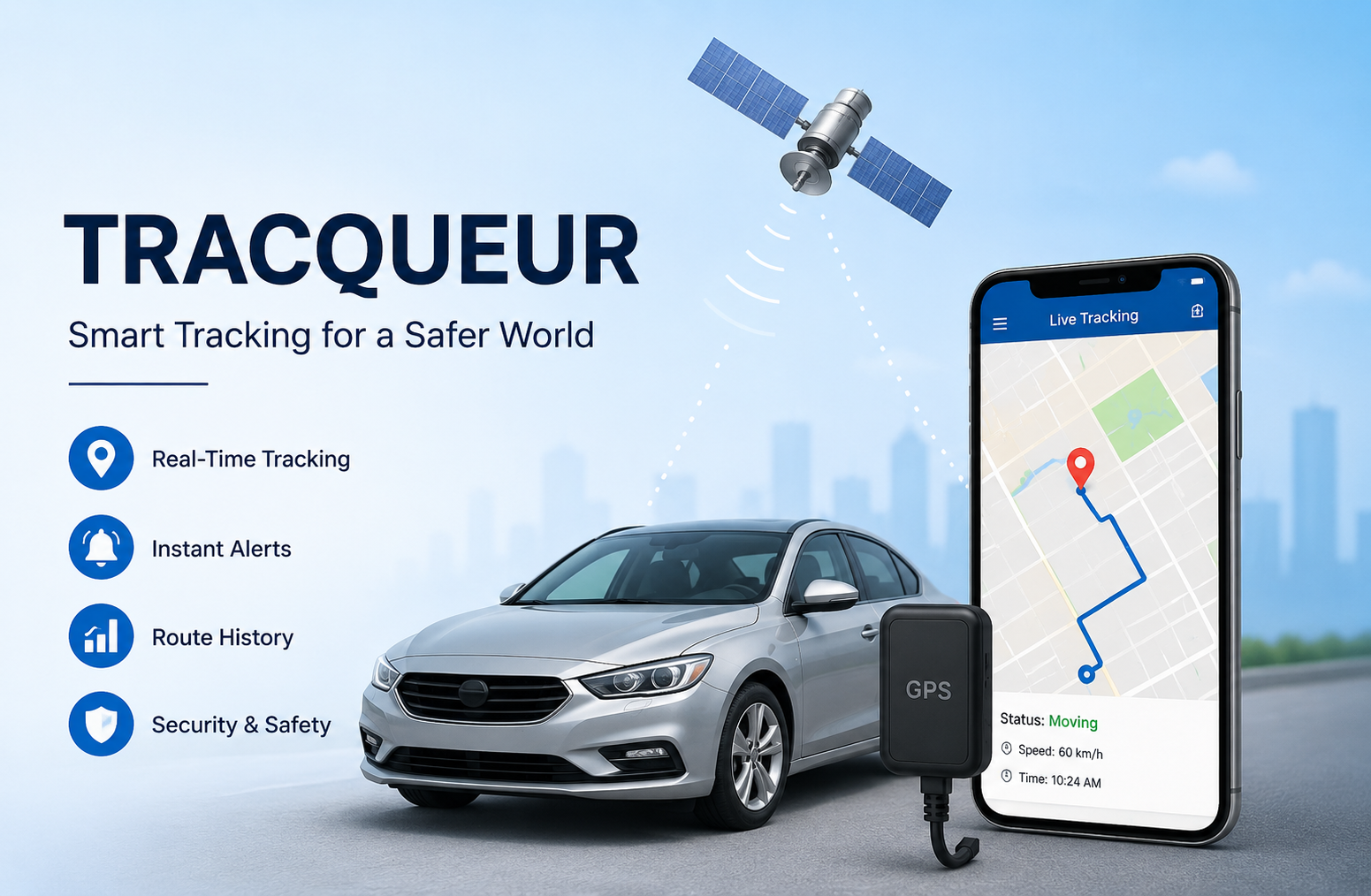
A tracqueur is a tracking system or device designed to monitor the location, movement, or status of a person, vehicle, object, or asset. These systems commonly use technologies such as GPS, cellular networks, WiFi, Bluetooth, and satellite communications to collect and transmit location data.
The primary purpose of a tracking solution is to provide accurate information about where an asset is located and, in many cases, where it has been over time. Depending on the device and intended use, tracking systems may offer additional features such as route history, geofencing, alerts, speed monitoring, maintenance reminders, and theft recovery assistance.
Modern tracking solutions are used across numerous industries, including transportation, logistics, construction, healthcare, retail, and personal security.
The Evolution of Tracqueur Technology
Tracking technology has developed significantly over the past few decades. Early tracking systems were expensive, complex, and primarily reserved for military or government use. Advances in satellite communications, mobile networks, and digital mapping have made tracking solutions widely available to businesses and consumers.
Several major developments have contributed to the growth of tracking technology:
Satellite Navigation Systems
Global Positioning System (GPS) satellites provide precise location information that allows tracking devices to determine their position almost anywhere on Earth.
Mobile Network Connectivity
Cellular networks enable devices to transmit location data in real time, making remote monitoring possible from virtually any location.
Cloud Computing
Cloud-based platforms allow users to access tracking information through web browsers and mobile applications without requiring specialized hardware.
Internet of Things Integration
Modern tracking systems often connect with broader Internet of Things ecosystems, enabling automated reporting, analytics, and operational optimization.
These advancements have transformed tracking from a specialized technology into a mainstream solution used by millions of people worldwide.
Tracqueur and How It Works
Understanding the underlying process helps users appreciate the value of modern tracking systems.
Location Detection
The device determines its location using GPS satellites, WiFi positioning, cellular towers, or a combination of these technologies.
Data Collection
Information such as coordinates, speed, direction, and time is gathered by the device.
Data Transmission
The collected information is transmitted through cellular networks, satellite communications, or internet connections.
Processing and Analysis
The data is processed by software platforms that convert raw information into readable maps, reports, alerts, and analytics.
User Access
Users can access tracking information through mobile applications, web dashboards, or management software.
This entire process often occurs within seconds, enabling near real-time monitoring and decision-making.
Key Benefits of Using Tracking Systems
Tracking solutions provide numerous advantages for both personal and professional users.
Improved Security
One of the most significant benefits is enhanced security. If a vehicle, package, or valuable asset is lost or stolen, tracking information can help locate and recover it more quickly.
Better Operational Efficiency
Businesses can monitor routes, optimize schedules, reduce fuel consumption, and improve productivity through accurate location data.
Enhanced Accountability
Tracking systems create transparency by documenting movements and activities, reducing disputes and improving accountability.
Cost Savings
Efficient route planning, reduced downtime, lower fuel consumption, and improved asset utilization can generate substantial cost savings.
Real-Time Visibility
Users gain immediate access to location information, allowing faster responses to changing conditions or unexpected events.
Increased Customer Satisfaction
Businesses can provide more accurate delivery estimates and service updates, improving the customer experience.
Common Types of Tracking Solutions
Tracking systems come in various forms, each designed for specific purposes.
Vehicle Tracking Systems
These are among the most widely used tracking solutions. They help monitor vehicle locations, driver behavior, fuel usage, and route efficiency.
Common users include:
- Transportation companies
- Delivery services
- Fleet operators
- Taxi services
- Construction businesses
Personal Tracking Devices
Personal trackers are designed to monitor individuals for safety purposes.
Examples include:
- Child tracking devices
- Elderly care trackers
- Emergency location devices
- Outdoor adventure trackers
Asset Tracking Systems
Businesses use asset tracking to monitor valuable equipment and inventory.
Examples include:
- Construction equipment
- Shipping containers
- Industrial machinery
- High-value inventory
Pet Tracking Devices
Pet owners increasingly use tracking devices to monitor the location of dogs and cats, helping prevent loss and improving recovery chances.
Wearable Tracking Technology
Fitness bands, smartwatches, and health-monitoring devices often include location-tracking capabilities.
These devices can support:
- Activity monitoring
- Emergency assistance
- Navigation
- Exercise tracking
Real-World Applications of Tracqueur Technology
Tracking systems provide practical value across many sectors.
Transportation and Logistics
Logistics companies rely heavily on tracking systems to manage deliveries, optimize routes, and improve customer communication.
Benefits include:
- Reduced delivery delays
- Improved route planning
- Better fleet management
- Enhanced shipment visibility
Construction Industry
Construction companies use tracking technology to monitor expensive equipment and machinery across multiple job sites.
Advantages include:
- Theft prevention
- Equipment utilization monitoring
- Maintenance scheduling
- Site coordination
Healthcare
Healthcare organizations use tracking systems to monitor equipment, staff, and patients.
Applications include:
- Medical equipment tracking
- Patient safety monitoring
- Emergency response coordination
- Asset management
Retail and Inventory Management
Retail businesses use tracking systems to monitor inventory movement and reduce losses.
Benefits include:
- Inventory accuracy
- Supply chain visibility
- Theft reduction
- Improved stock management
Personal Safety
Individuals use tracking devices for personal security, particularly during travel, outdoor activities, and emergency situations.
Essential Features to Look for in a Tracking Solution
Choosing the right tracking system requires evaluating several important features.
Real-Time Tracking
The ability to receive current location information is critical for most tracking applications.
Historical Route Data
Historical reports allow users to review previous movements and identify patterns.
Geofencing
Geofencing enables users to create virtual boundaries and receive alerts when a tracked item enters or leaves designated areas.
Mobile Application Support
A user-friendly mobile application provides convenient access to tracking information.
Alert Notifications
Notifications can inform users about:
- Unauthorized movement
- Speed violations
- Boundary breaches
- Device disconnection
- Low battery levels
Battery Life
Battery performance varies significantly between devices and should match intended usage requirements.
Reporting and Analytics
Advanced reporting tools help businesses identify trends and improve operational efficiency.
Challenges Associated with Tracking Systems
Despite their benefits, tracking technologies are not without limitations.
Privacy Concerns
Location tracking raises important privacy questions. Organizations must ensure that tracking practices comply with applicable laws and ethical standards.
Signal Limitations
GPS signals may be weakened or blocked in:
- Underground structures
- Dense urban environments
- Tunnels
- Remote indoor locations
Battery Constraints
Portable tracking devices depend on battery power, which may require regular charging or replacement.
Data Accuracy Variations
Location accuracy can vary depending on environmental conditions, signal strength, and device quality.
Ongoing Costs
Many tracking systems involve subscription fees for connectivity, software access, and cloud services.
How Businesses Benefit from Modern Tracking Systems
Businesses often experience measurable improvements after implementing tracking solutions.
Increased Productivity
Managers can identify inefficiencies and optimize workflows based on accurate location data.
Better Resource Allocation
Knowing where assets are located enables smarter deployment and utilization.
Reduced Theft and Losses
Tracking systems discourage theft and increase recovery rates for stolen assets.
Improved Compliance
Businesses can maintain detailed records that support regulatory compliance and operational accountability.
Enhanced Decision-Making
Real-time data helps managers make informed decisions quickly and confidently.
The Role of Artificial Intelligence in Tracking Technology
Artificial intelligence is becoming increasingly important in modern tracking platforms.
AI-powered systems can:
- Predict maintenance needs
- Identify unusual behavior patterns
- Detect potential security risks
- Optimize routes automatically
- Improve forecasting accuracy
These capabilities help organizations move beyond simple location monitoring toward intelligent operational management.
Security Considerations for Tracking Systems
Protecting tracking data is critical.
Organizations should focus on:
Strong Authentication
Secure login procedures help prevent unauthorized access.
Data Encryption
Encryption protects sensitive information during transmission and storage.
Access Controls
Role-based permissions ensure users only access relevant information.
Software Updates
Regular updates help address vulnerabilities and improve security.
Monitoring and Auditing
Continuous monitoring helps identify suspicious activities and potential threats.
Future Trends in Tracking Technology
The future of tracking systems is expected to be shaped by several emerging trends.
Greater Accuracy
Advancements in positioning technology will continue improving location precision.
Expanded IoT Integration
Tracking systems will become more deeply integrated with connected devices and smart environments.
Enhanced Automation
Automated workflows will reduce manual intervention and improve efficiency.
Predictive Analytics
Future systems will increasingly forecast events rather than simply report them.
Improved Sustainability
Energy-efficient hardware and smarter data management practices will reduce environmental impact.
Global Connectivity
Expanded satellite networks and advanced communication technologies will improve coverage in remote areas.
Best Practices for Successful Implementation
Organizations and individuals can maximize the value of tracking systems by following proven practices.
Define Clear Objectives
Identify exactly what problems the tracking solution is intended to solve.
Select Appropriate Technology
Choose devices and software that align with operational requirements.
Train Users Properly
Effective training improves adoption and minimizes errors.
Monitor Performance Regularly
Review tracking data to identify opportunities for improvement.
Maintain Devices Consistently
Regular maintenance ensures reliable performance and longer device lifespan.
Protect User Privacy
Establish transparent policies and comply with applicable regulations.
Frequently Asked Questions
What is a tracqueur used for?
A tracqueur is used to monitor the location and movement of vehicles, people, pets, equipment, or other valuable assets in real time or through historical records.
How accurate are modern tracking systems?
Most modern GPS-based systems provide accuracy within a few meters under favorable conditions, though performance can vary depending on environmental factors.
Can tracking devices work without internet access?
Many devices can continue collecting location data without internet access and transmit the information once connectivity is restored.
Are tracking systems legal?
Tracking systems are generally legal when used appropriately and in compliance with local laws regarding privacy and consent.
Do tracking devices require subscriptions?
Many advanced tracking solutions require subscription plans to cover cellular connectivity, cloud storage, and software services.
Can tracking technology help recover stolen assets?
Yes. Real-time location information often improves the chances of locating and recovering stolen vehicles, equipment, and other valuable property.
Conclusion
Tracking technology has become an essential tool for individuals and organizations seeking greater visibility, security, and operational efficiency. From vehicle monitoring and asset management to personal safety and logistics optimization, modern tracking systems provide valuable insights that support informed decision-making. As technology continues to evolve, tracking solutions are expected to become even more accurate, intelligent, and integrated into everyday operations. Understanding the capabilities, benefits, challenges, and best practices associated with these systems helps users make smarter choices and maximize the value of their investment.